
Frequency for logistics
Stories of individuals who push the boundaries of logistics and supply chains, inspiring both personally and professionally.
The Frequency for Logistics podcast explores success stories, best practices, superpowers, and insights from top experts in logistics, transport, and supply chains.
Tune in to Frequency for Logistics every 14 days and get ready for a video and/or audio experience that will personally inspire you and deepen your understanding of the world of logistics and supply chains.
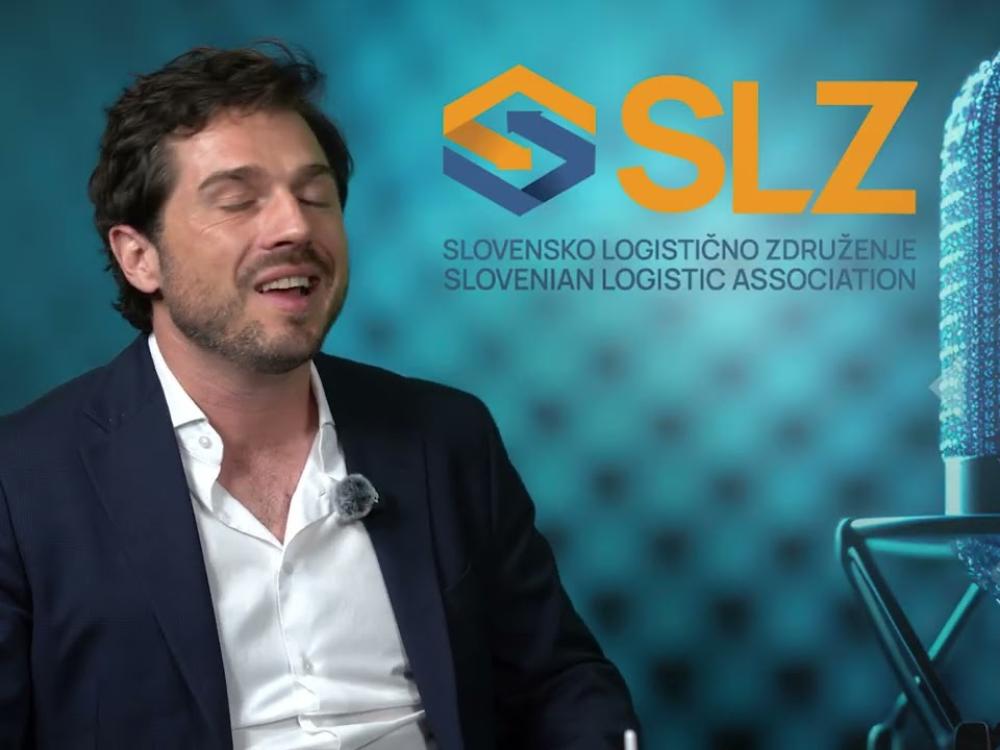
#37 SLZ Frequency for logistics I Andrew Melwille, Mission Control AI
Andrew Melville, Co-founder and Managing Director, Europe, at Mission Control AI, discusses the rapid development of artificial intelligence and the significant differences in how companies are approaching its adoption.
Mission Control AI works with clients in the United States, Canada and Europe, developing solutions that enable organisations to deploy advanced AI agents, or Synthetic Workers. These are more than assistants for individual tasks: they can connect different systems and autonomously carry out complex business processes.
European companies tend to be more cautious about AI adoption and often purchase the technology from external software providers. However, AI is developing too quickly for organisations to rely on the traditional three-to-five-year adaptation cycle. ChatGPT was released to the public in November 2022 and, within only a few years, fundamentally changed how people work, access knowledge and interact with technology.
The adoption of AI agents varies enormously. Some organisations are already building their own AI capabilities and integrating them into business processes. Others still have no clear strategy, while some companies have banned the use of AI altogether. As Melville explains, there is no such thing as “normal” when it comes to AI.
During the interview, he distinguishes between three levels of generative AI:
- tools such as ChatGPT,
- assistants and copilots,
- AI agents and Synthetic Workers capable of connecting systems and executing end-to-end workflows.
Melville compares artificial intelligence to nuclear physics: the same knowledge can be used to produce energy or to cause destruction. The technology itself is therefore neither inherently good nor bad—the decisive factor is how it is developed, governed and deployed.
Follow us also:
#26 SLZ Frekvenca za logistiko I Nicole Mau, MAU Consulting
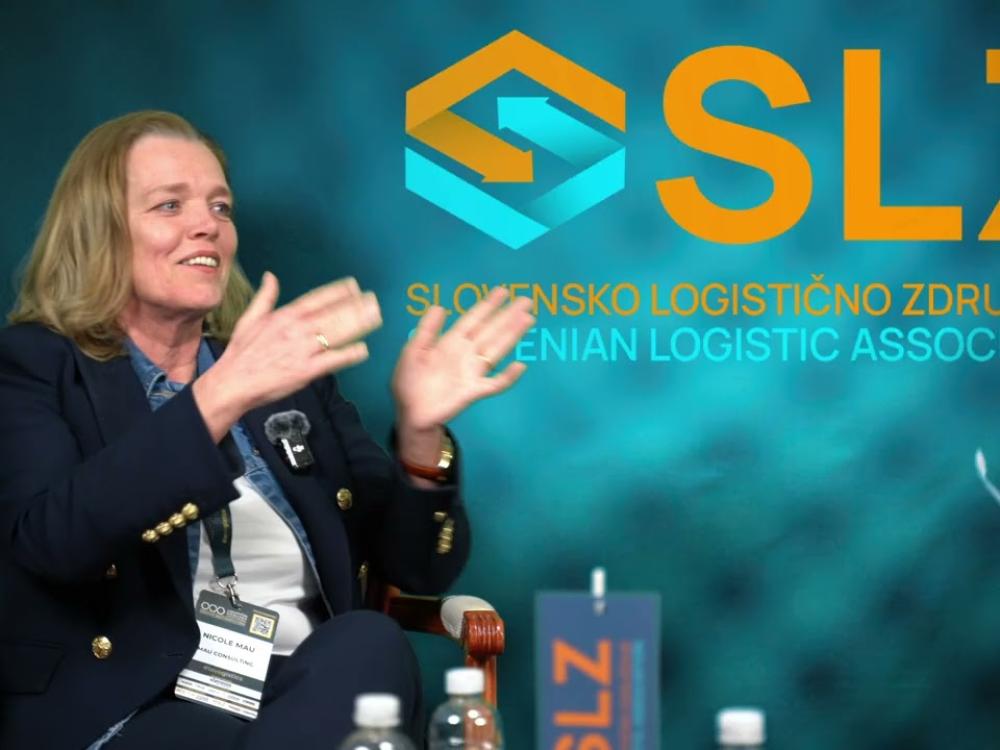
The logistics industry is undergoing a profound transformation, with ESG (Environmental, Social, and Governance) issues coming increasingly into focus. Sustainable supply chains, low-emission transport solutions, and fair working conditions are no longer optional measures but crucial competitive advantages. Companies that consistently integrate ESG criteria reap the benefits of cost savings, enhanced brand reputation, and greater regulatory certainty. However, the question remains: How can the balance between efficiency and sustainability be achieved in a globally interconnected industry? The answers to this question will have a decisive impact on the future of logistics.
Follow us also:
#22 SLZ Frequency for logistics I Vasilis Siomadis, Dimitrios Vlachos, INTERCLUSTER
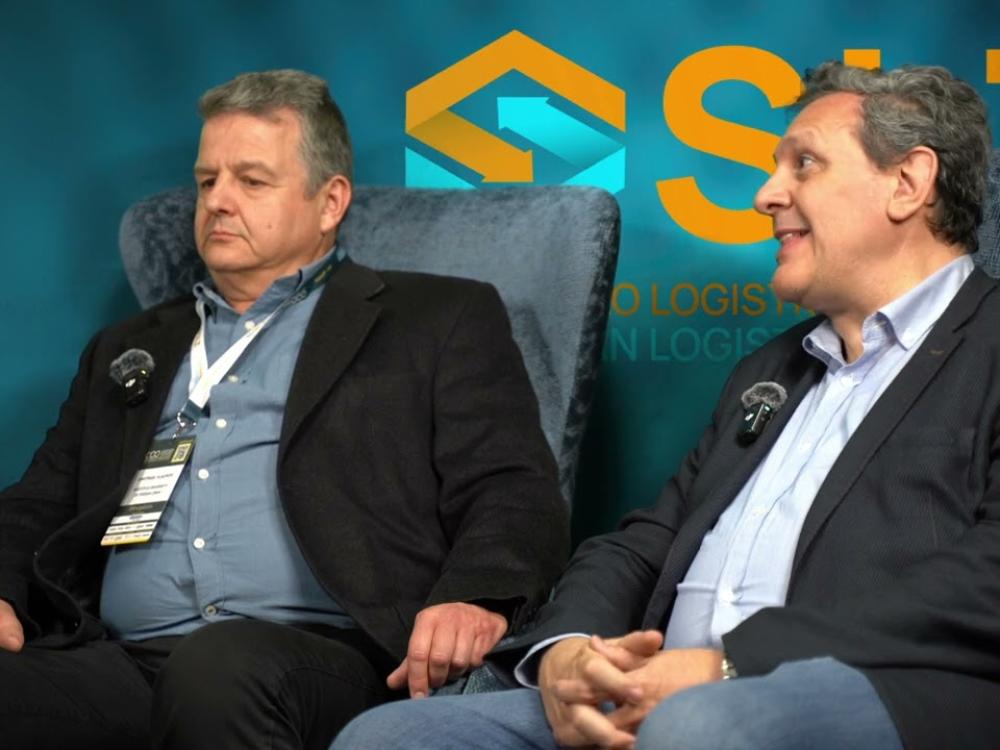
At the Slovenian Logistics Association, we are a partner in the INTERCLUSTER project, which promotes interregional logistics clustering in the Adrion region. INTERCLUSTER is part of the Interreg IPA ADRION programme and is co-financed by the European Union. In a short interview, the lead partner presents the programme and the main objectives of the project.
Follow us also:
#9 SLZ Frequency for logistics I Konstantinos Vassilakos, Mouhalis group
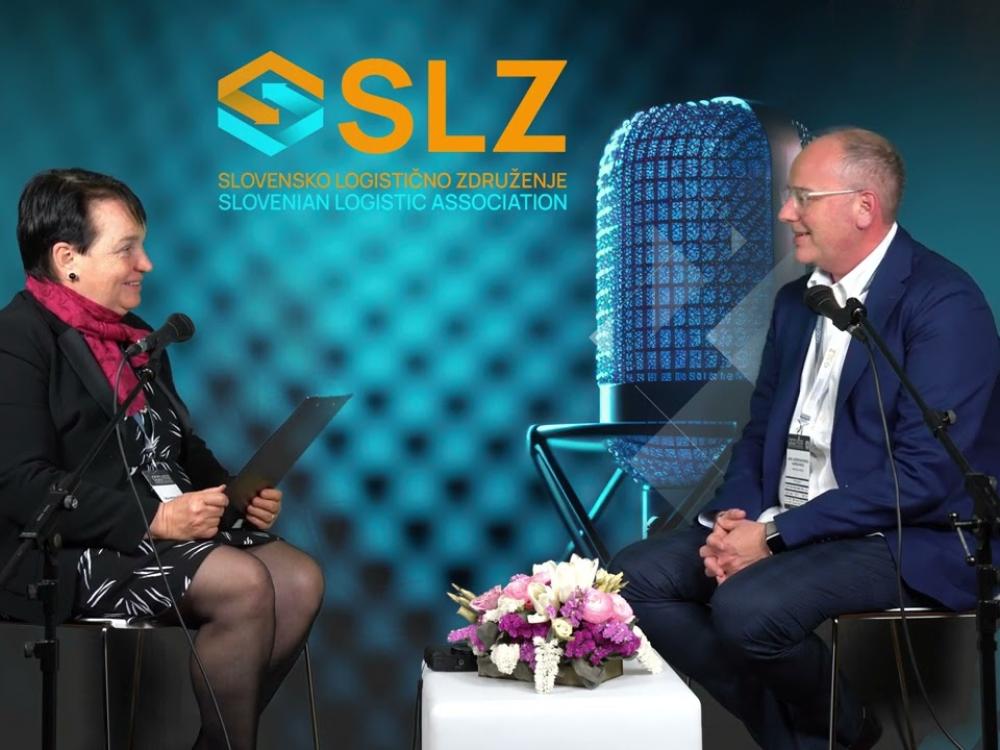
How to Create Good Logistics Practices During High Demand for Fast Deliveries? The Greek company Mouhalis Group created a rapid delivery service for food and non-food items during the COVID lockdown. What was their reach, the average basket value, and how did they manage to ensure delivery to the customer’s door within 20 minutes?
Follow us also:
#7 SLZ Frequency for logistics I Richard Terme, Cargill - good practice example
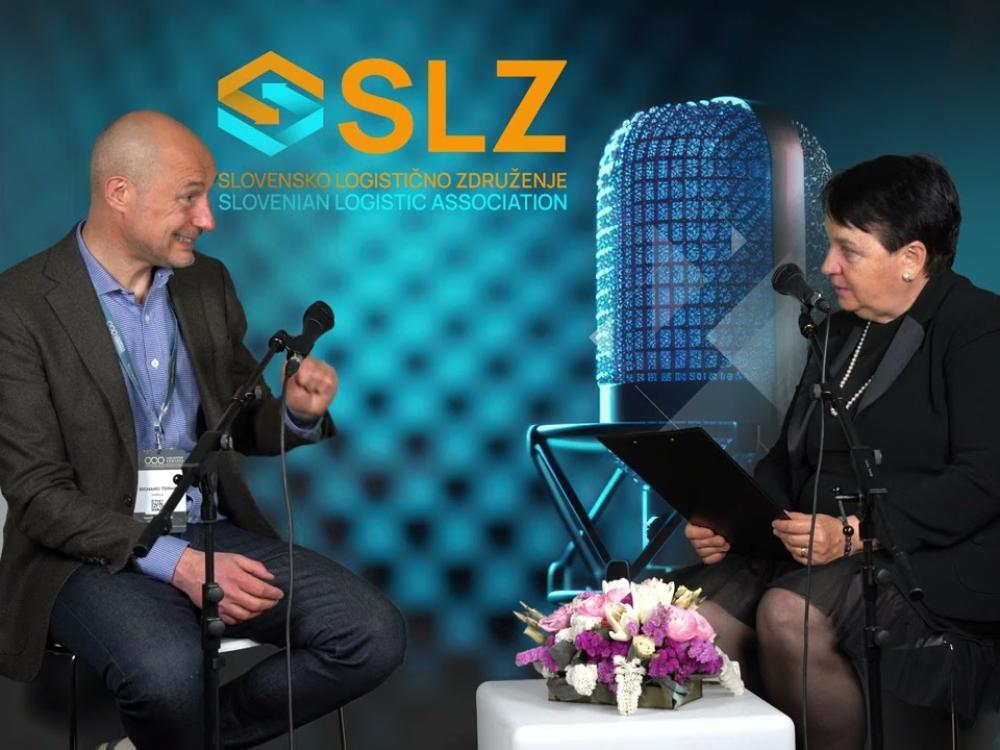
Richard Terme from the company Cargill in conversation with Vida Petrovčič about a case of good practice and cooperation between the so-called "Fjord Friends" - salmon feed producers Cargill and Skretting in Norway. Collaboration in supply chains has a significant impact on reducing the carbon footprint.
Follow us also:
#6 SLZ Frequency for logistics I David Luft, Plug and Play Tech Center
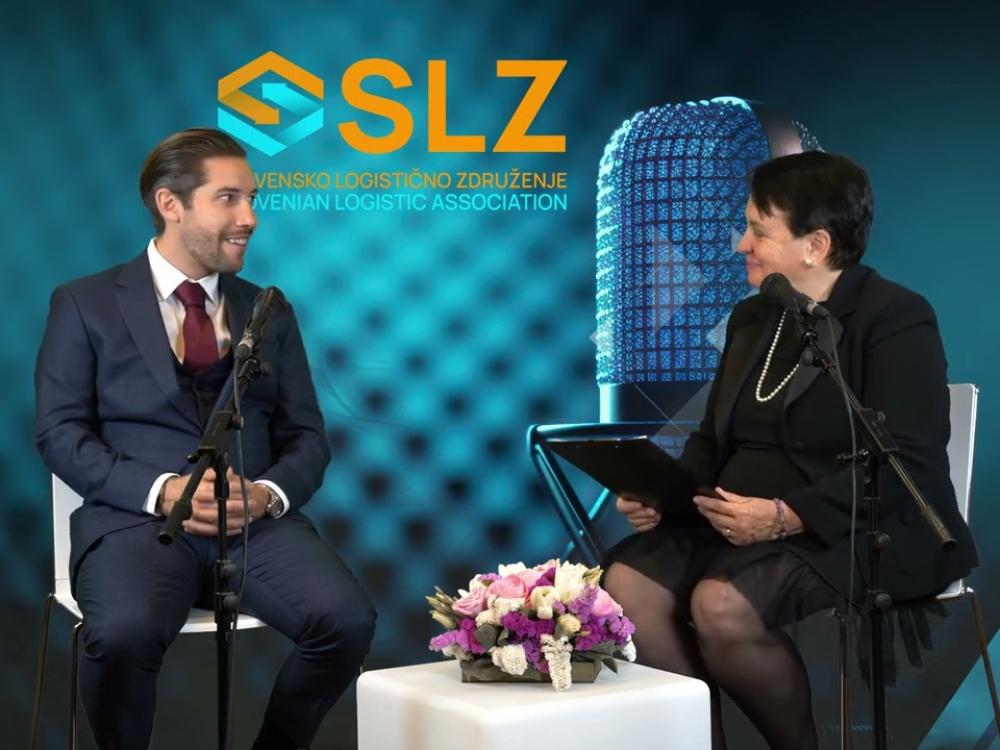
David Luft from Plug and Play Tech Center on connecting start-ups with logistics and other companies. How to link technology providers with corporations, what methods they use, and the various fields they operate in.
Follow us also:
#4 SLZ Frequency for logistics I Alex Van Breedam, Tri-Vizor
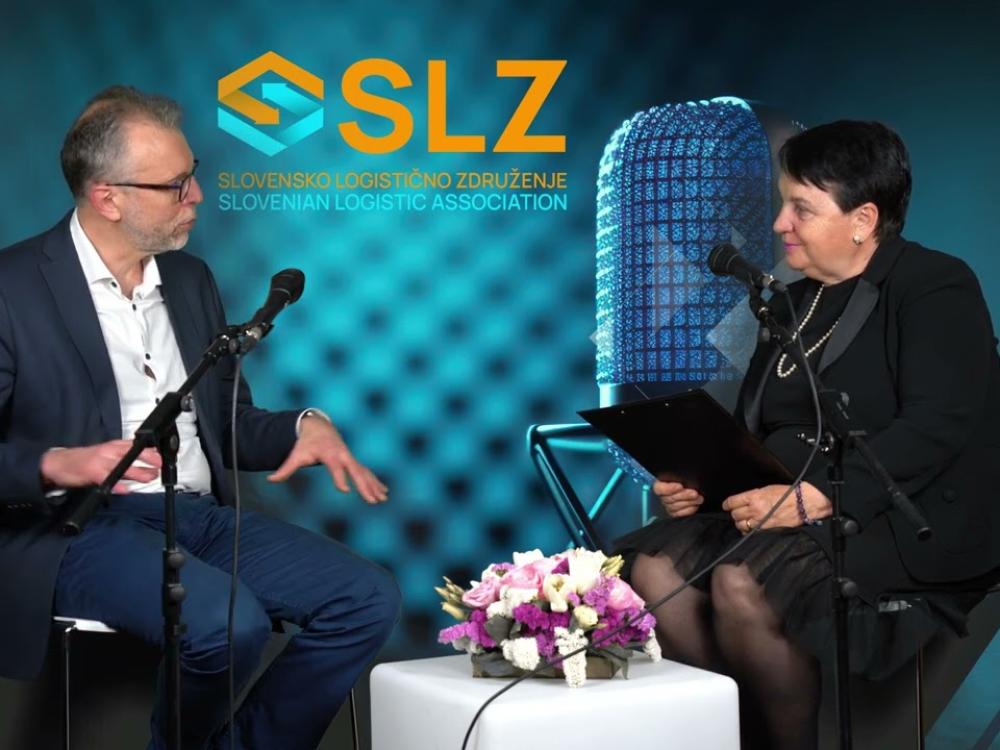
Alex van Breedam from the company Tri-Vizor, in conversation with Vida Petrovčič, on the example of cooperation between the companies Nestlé and PepsiCo. What is smart logistics, and how can collaboration between companies in the supply chain contribute to optimization, while also protecting the important data of each company? The future of logistics lies in cooperation.
Follow us also:
#3 SLZ Frequency for logistics I dr. Nick Vyas about trends in Logistics
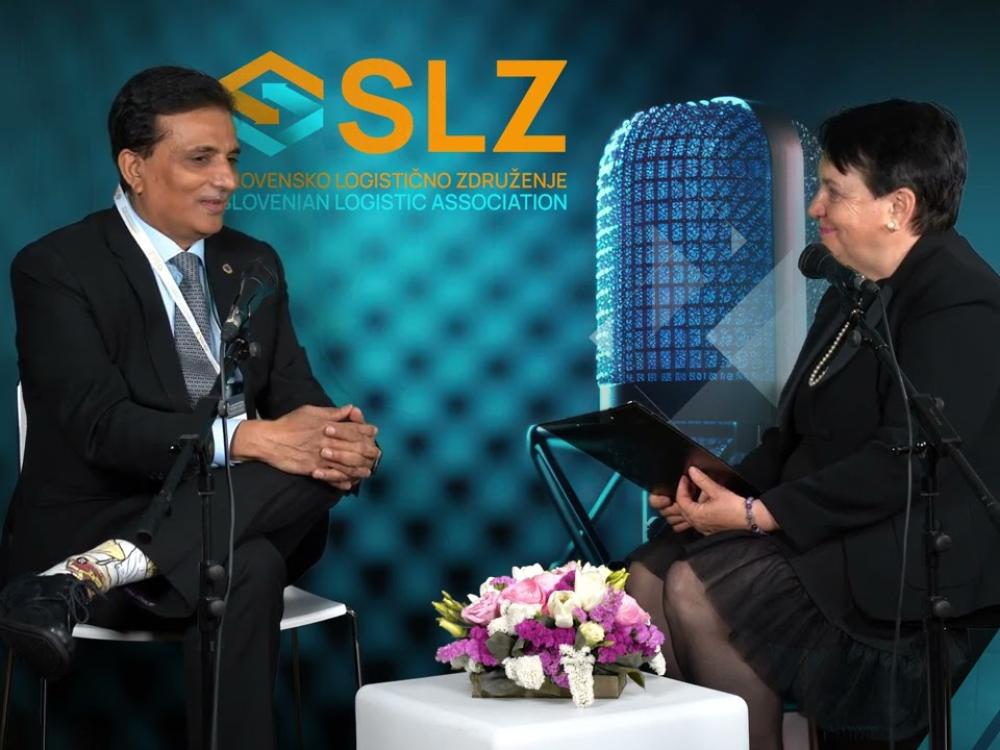
The world of supply chains and logistics has undergone significant changes. The pandemic exposed structural weaknesses, leading to a breaking point and the urgent need for restructuring.
In an interview with Vida Petrovčič, Dr. Nick Vyas, founder of the Randall R. Kendrick Institute of Supply Chain Management, discussed these pressing issues—how businesses and governments are navigating the post-COVID era, what the current "must-haves" in business are, and what the Green Agenda will bring.
Follow us also:
#2 SLZ Frequency for logistics I dr. Markus Mau, president of European logistics association
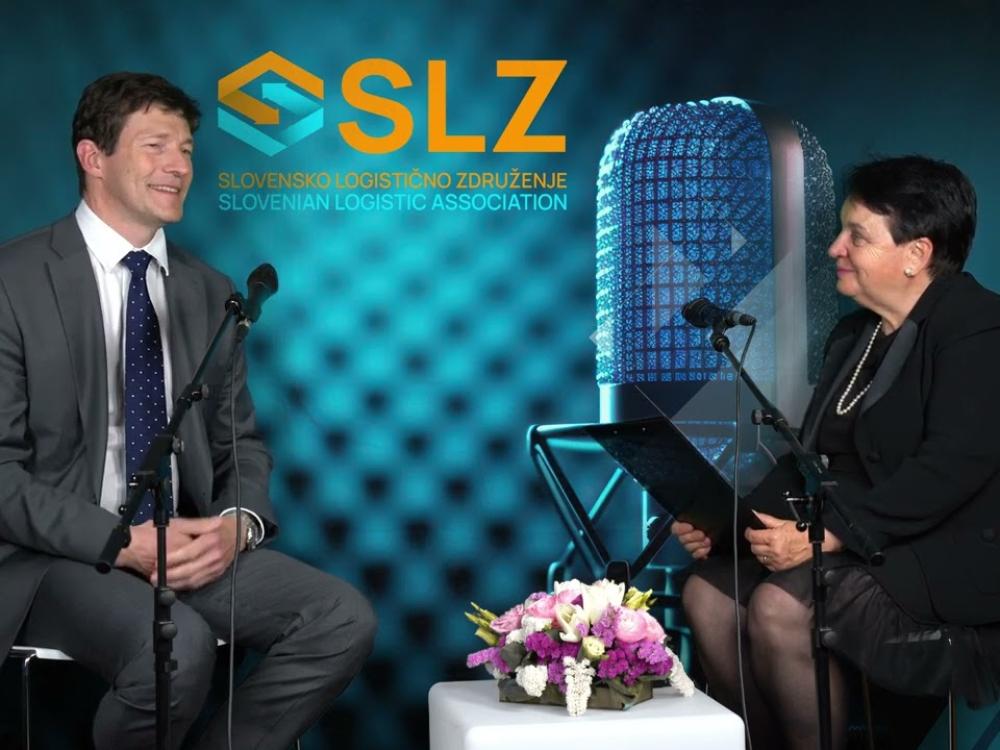
Markus Mau, the newly elected president of ELA, discusses the international role of the European Logistics Association and his perspective on Slovenian companies.
Mr. Mau acknowledges that the Logistics Congress is a great example of collaboration and networking, which aligns with his goals as the president of ELA.
In his interview with Vida Petrovčič, they also touched on Slovenia's role on the global logistics stage.
Follow us also:
#1 SLZ Frequency for logistics I Igor Žula, president od SLZ about Logistic congress 2024
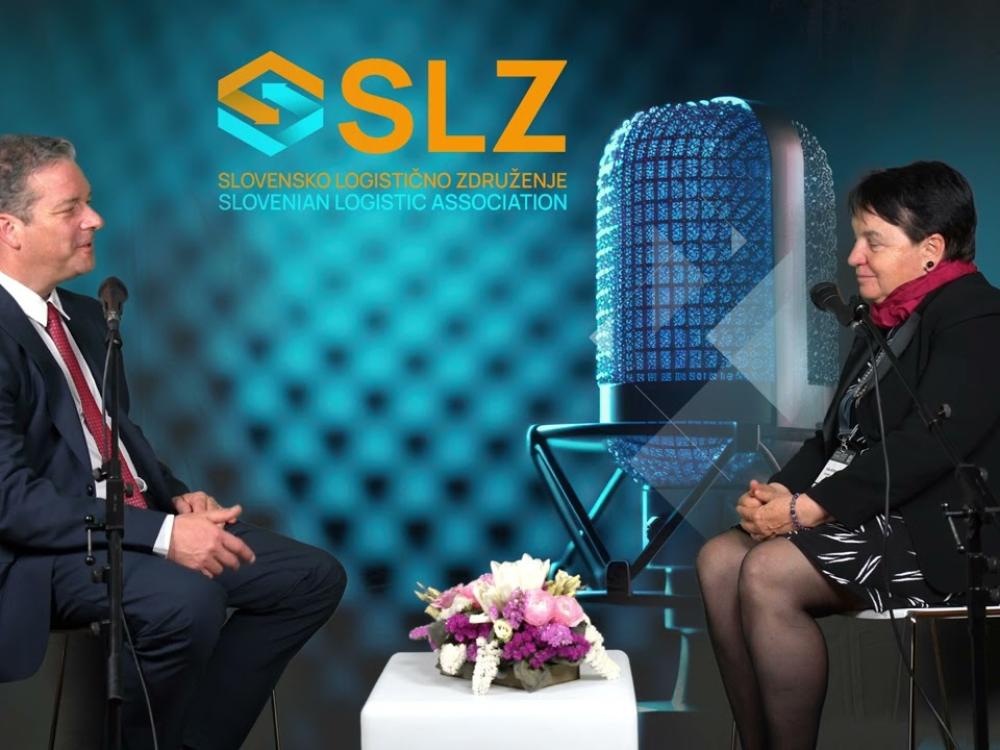
The 11th International Logistics Congress "Supply Chains in Science and Practice" took place in March 2024 in Portorož, bringing together 600 participants from over 20 countries.
The program featured 41 speakers and experts who shared best practices, and once again successfully connected stakeholders from logistics, transportation, manufacturing companies, IT and technology solution providers, as well as representatives from education and government—fulfilling the core mission of the congress.
In an interview with Vida Petrovčič, Igor Žula, president of the Slovenian Logistics Association and the event organizer, discussed the key topics highlighted at the 2024 Logistics Congress. He addressed the concerns raised by logistics and supply chain experts, the importance of collaboration among all stakeholders and decision-makers, and the strategic direction for the future.
Follow us also:
SLZ hub
View all

A hub of knowledge and experience
Carefully selected content for professional and personal growth, sharing best practices, and staying in touch with trends and innovations.
We deliver news about the association's activities and from the world of logistics.
Sign up for our e-news!
By this you agree that in accordance with its personal data protection policy we store and process your personal data for the purpose of sending e-news to the entered e-mail address.